

The TAM-1 Phenomenon revolutionizing digital connectivity in Latin America and the Caribbean
- May 14, 2024
InterGlobix Magazine Founder and Editor-in-Chief, Jasmine Bedi, sat down in conversation with Julio Bran to discuss the TAM-1 submarine cable system slated for Latin America and the Caribbean. From its key features and significance for regional digital connectivity to the strategies behind landing points and targeted clients, Bran showcases both the immediate impact and potential future expansion of this project.
Could you provide us with an overview of the TAM-1 project and its significance for Latin America and the Caribbean?
The TAM-1 project is a significant endeavor set to transform digital connectivity in Latin America and the Caribbean. TAM-1 is a new 7,000km submarine cable system with 24 fiber pairs to the south and 12 pairs to the north. Our network is being constructed to provide lowlatency, high-capacity connectivity to Central America, the Caribbean, and parts of South America. Backed by Trans Americas Fiber System (a UK company supported by Global Telecommunications Investment and LW Subsea Holdings), the project is scheduled to be Ready for Service (RFS) in phases, with the southern part projected to be operational in Q3 of 2025 and the northern part later the same year.
As far as its key features and significance, TAM-1 aims to address the escalating bandwidth demands in the region, which have been growing at a rate exceeding 30 percent annually. It offers a diverse and redundant path for North–South traffic, providing an alternative to existing systems along the Pacific and Caribbean coastlines of Central America.
The system is predominantly designed to bridge the digital divide in Latin America and the Caribbean by fostering economic growth, attracting investments, and improving competitiveness. TAM-1 is poised to impact the region’s digital landscape significantly by providing a stateof-the-art replacement for legacy infrastructure.
The project is being delivered with leading edge technology, which provides a minimum capacity of 650Tbps and the ability to achieve 18Tbps per fiber pair on the longest route. The TAM1 project is part of a larger vision for digital connectivity in the region, with plans for future expansions. We see the TAM-1 reshaping digital connectivity in Latin America and the Caribbean by addressing the region’s growing bandwidth demands and fostering economic growth and development.
What was the strategy behind selecting the landing points?
The strategy behind where to land TAM-1 was multi-faceted and designed to optimize the efficiency, reliability, and strategic positioning of the cable system. Landing sites were chosen based on factors like geographical suitability, proximity to key markets, and connectivity requirements. Cable stations are strategically positioned to ensure optimal coverage and accessibility to the regions served by the system. In addition, by planning for future capacity requirements and expansion opportunities, the project aims to establish a scalable and resilient network infrastructure that can adapt to evolving demands and market conditions. Our aim is to establish a robust and efficient telecommunications network that can support the digital connectivity needs of Central America and the Caribbean for years to come.
What’s the status of the TAM-1 project?
The project is advancing well, with significant progress made in each of the following critical areas: marine surveys, equipment production, and permitting and landing stations.
Marine surveys are essential for planning the route of a submarine cable and involve assessing the seabed conditions. Two companies, EGS Survey and Fugro NV, have been involved in conducting our marine survey. EGS led the operations for the southern arm of the cable, which covers locations like Barranquilla, Colombia; Puerto Limón, Costa Rica; and María Chiquita, Panama. Meanwhile, Fugro NV was responsible for surveying the northern stretch of the cable route, which includes regions like the US, Mexico, Belize, and Honduras. We are happy to report that all the marine survey work has recently been completed.
Wet and dry hardware production is also well underway. Xtera is our turnkey supplier, responsible for overall delivery of the system, while Nexans provides the submarine cable and IT International Telecom provides the marine installer. Key manufacturing activities are underway.
The project team has made significant headway in and defining landings and obtaining permits. Where feasible, we have tried to leverage existing landing stations and infrastructure owned by anchor tenants or partners as we do, for example, with AT&T in all US jurisdictions. This approach helped us minimize costs and expedite the deployment process while ensuring that the cable system can connect seamlessly with the existing telecommunications networks in each region. Additionally, the team has decided to build three new landing stations in strategic locations to support the cable’s operations effectively.
Our landing philosophy is to maintain neutrality, ensuring fair and open access to the cable system for all stakeholders. This commitment to neutrality is essential for fostering competition, promoting equitable access to telecommunications services, and maintaining the integrity of the network.
We have a clear focus on meeting our targeted launch date, and as such, we are ensuring all the necessary infrastructure is in place to support the cable’s operations effectively.
With expansion possibilities on the horizon, what are the prospects for future phases of TAM-1?
The prospects for future phases of TAM-1 are promising, with expansion opportunities that could further enhance digital connectivity and resiliency. Our plans include connections to South America along the Pacific coast in subsequent phases. The cable system is equipped with stubbed branching units that enable connections to multiple additional markets in future phases. Countries like Jamaica, the Northern and Eastern Caribbean Islands, and the Netherlands Antilles are also potential targets for connectivity. Expanding TAM-1 into these markets could help to stimulate economic growth and facilitate international trade.
We see a growing interest from local markets for us to expand TAM1 into their regions, which indicates a strong demand for enhanced digital connectivity. As more countries and stakeholders recognize the need for high-capacity submarine cables, the momentum for future phases of TAM-1 is likely to increase, thereby paving the way for further expansion opportunities.
Could you shed light on the profile of clients targeted for TAM-1 ?
Our clients range from operators to ISPs and content providers to data centers. Operators may choose to utilize the cable system to enhance their network infrastructure, improve connectivity, and expand their service offerings to customers with highcapacity, low-latency connectivity. In the case of ISPs, connecting to the cable system will lead to improved speed, reliability, and efficiency of their Internet services, which benefits end-users across Central America and the Caribbean with superior Internet connectivity.
We are in discussion with a number of content providers who rely on robust and reliable infrastructure to deliver their content to users, which makes high-quality connectivity essential. Our system will offer content providers the opportunity to access a high-capacity, low-latency network that can support the seamless delivery of content, streaming services, and other digital offerings to audiences in the region. Similarly, hyperscalers and data centers require high-speed, high-capacity connectivity to support their cloud computing, storage, and data processing operations, and we will provide access to a reliable and efficient network infrastructure that meets their stringent performance requirements and enables them to serve their customers.
All in all, there is a lot of activity across the region, and we’re excited about the journey ahead and the positive changes we can bring.
About Julio Bran
Julio Bran has 25+ years of experience in business leadership in the areas of technology and technology services. Prior to his current role, he held CEO and COO positions within Fortune 500 companies like Siemens, Ericsson, and Cable & Wireless, where he successfully managed large organizations across Germany, Sweden, Austria, Denmark, Panama, and the US. At Cable & Wireless, Bran also led the company’s organizational and technological restructuring across mobile and fixed line operations as well as the operation of a vast subsea network in the Caribbean and Central American regions.
He holds an MSc of Electrical and Control Engineering with majors in Business Management and Automation from the Technical University of Vienna.
Related Post
-
 TAM-1 : A New Era for Digital Connectivity in Latin America and the Caribbean
 -
 Exclusive: Trans Americas mulling new subsea cable in LatAm
 -
 How Trans Americas Fiber System Plans to Make a Splash
 -
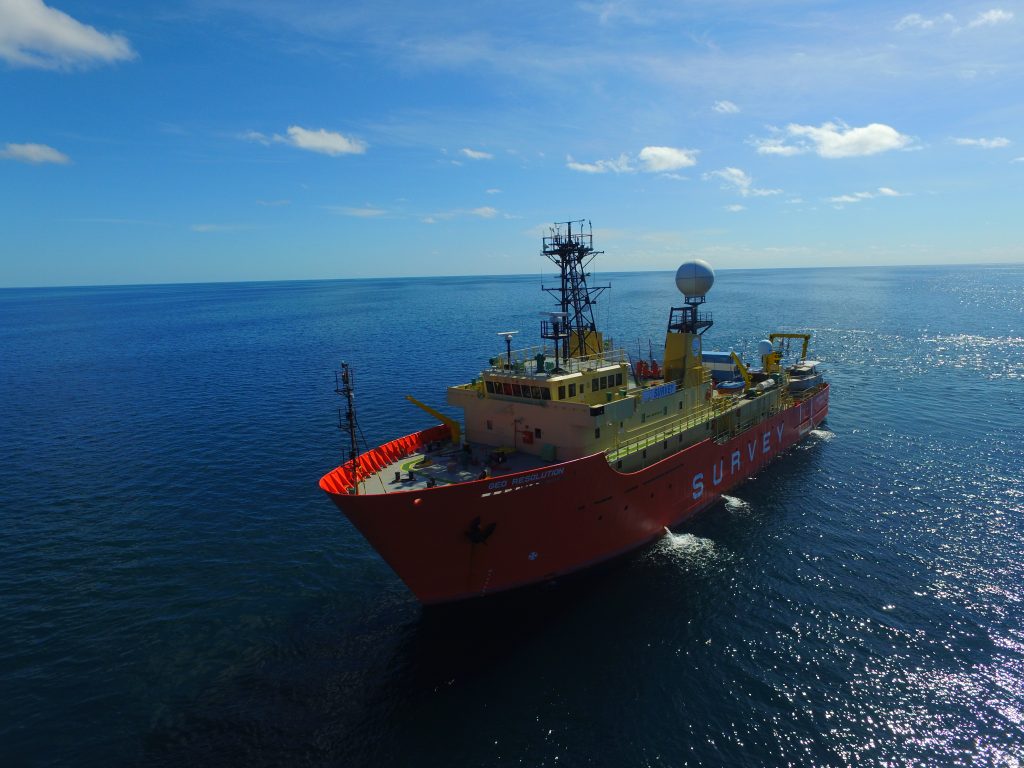 Trans Americas Fiber System Successfully Completes TAM-1 Marine Survey Operations
 -
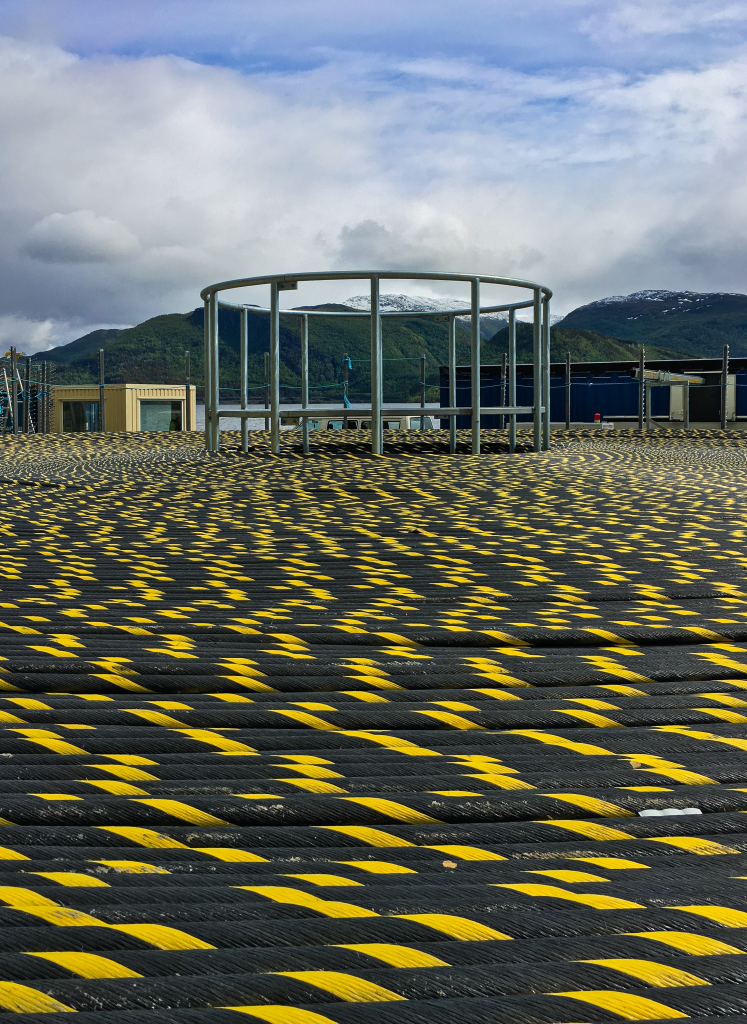 Nexans Cable Leads the Way for Connectivity across the Americas

Renewing Connectivity Across the Americas
Resources
Contact Us
- Get in touch
- info@transmaericasfiber.com
Copyright 2026, Trans Americas Fiber. All Rights Reserverd.
- Terms of Services
- Privacy Policy